

Designing Education to Foster Hygiene Habits in Children Through Play
A low-tech board game designed to teach WASH practices to children.
SDG 4: Quality Education
Estimated number of schoolchildren in Pakistan and Mozambique educated on water, sanitation and hygiene (WASH) by the end of 2028:
Help us make a difference

All our projects are open-source. Go ahead and use them to do good.
The Challenge
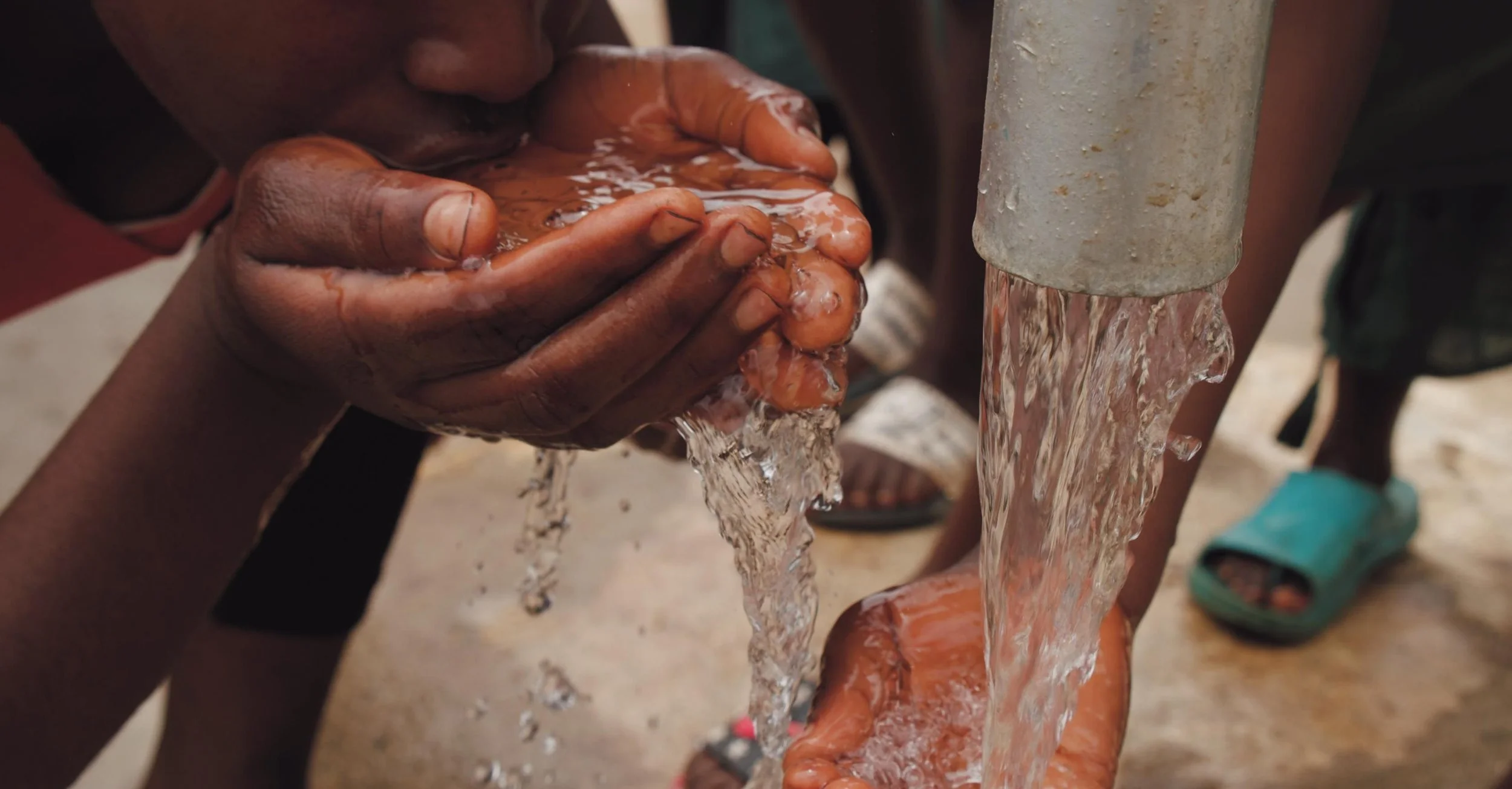
Poor hygiene practices remain a major contributor to preventable disease, school absenteeism and long-term health issues, particularly for children.
Pakistan has made significant progress in improving access to sanitation, yet 53,000 Pakistani children under age five die annually from diarrhoea due to poor water and sanitation. In Mozambique, only 48% of rural schools have access to water, with just 6% having access to handwashing facilities. To limit the spread of diseases and support students’ health and school performance, there is a need to raise awareness, coach behaviours on good hygiene practices and prepare children to become more resilient to the effects of climate change.
The Innovation
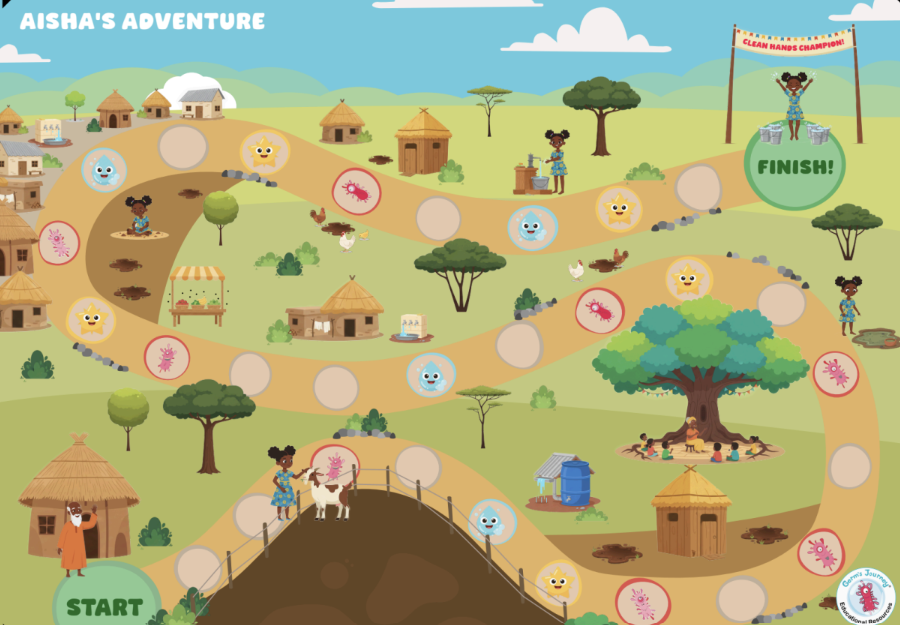
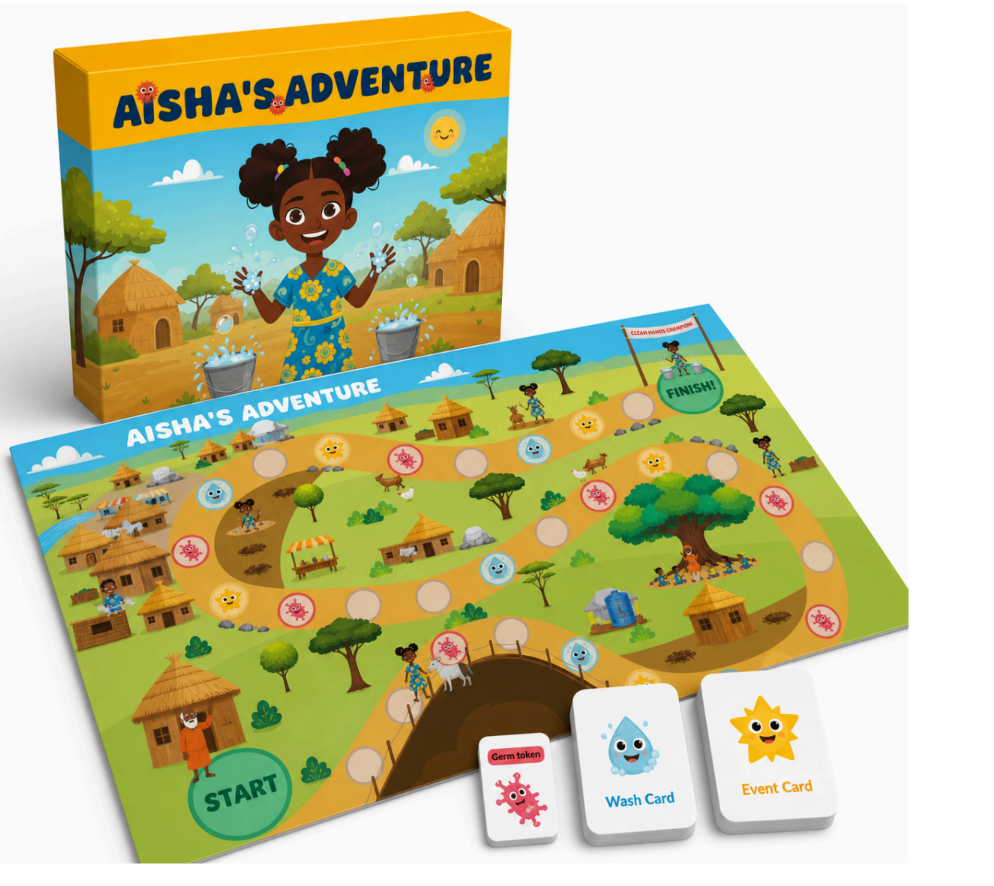
The Design for Good team created Aisha's Adventure, a fun, competitive, educational and low-tech board game that teaches essential hand hygiene habits through engaging play.
Open-source sharing
Originally developed with the Liberian Youth Parliament for Water, the project will be implemented in Pakistan with Germ’s Journey and in Mozambique with Village Water, reflecting our open-source access approach.
Building habits to prevent disease
Aisha's Adventure aims to intervene early by equipping young learners with critical health education through simple, memorable habits that can foster behavioural change around handwashing and hygiene practices at home, in school and across the wider community.
Making hygiene education fun and interactive
Two to four players follow the main character, Aisha, through the village path, where she encounters Danger Zones (where germs are picked up), Washing Stations (where germs are removed) and Special Events. Germs accumulate quickly throughout the game, reinforcing the lesson that germs spread easily in communal settings, and players must successfully complete Wash Card tasks. A player must demonstrate real knowledge about clean hands to become the Clean Hands Champion.
The Results
This project is still in development – check back later for future updates!
Help us make a difference
All our projects are open-source. Go ahead and use them to do good.