
Designing to promote personal hygiene in underserved communities
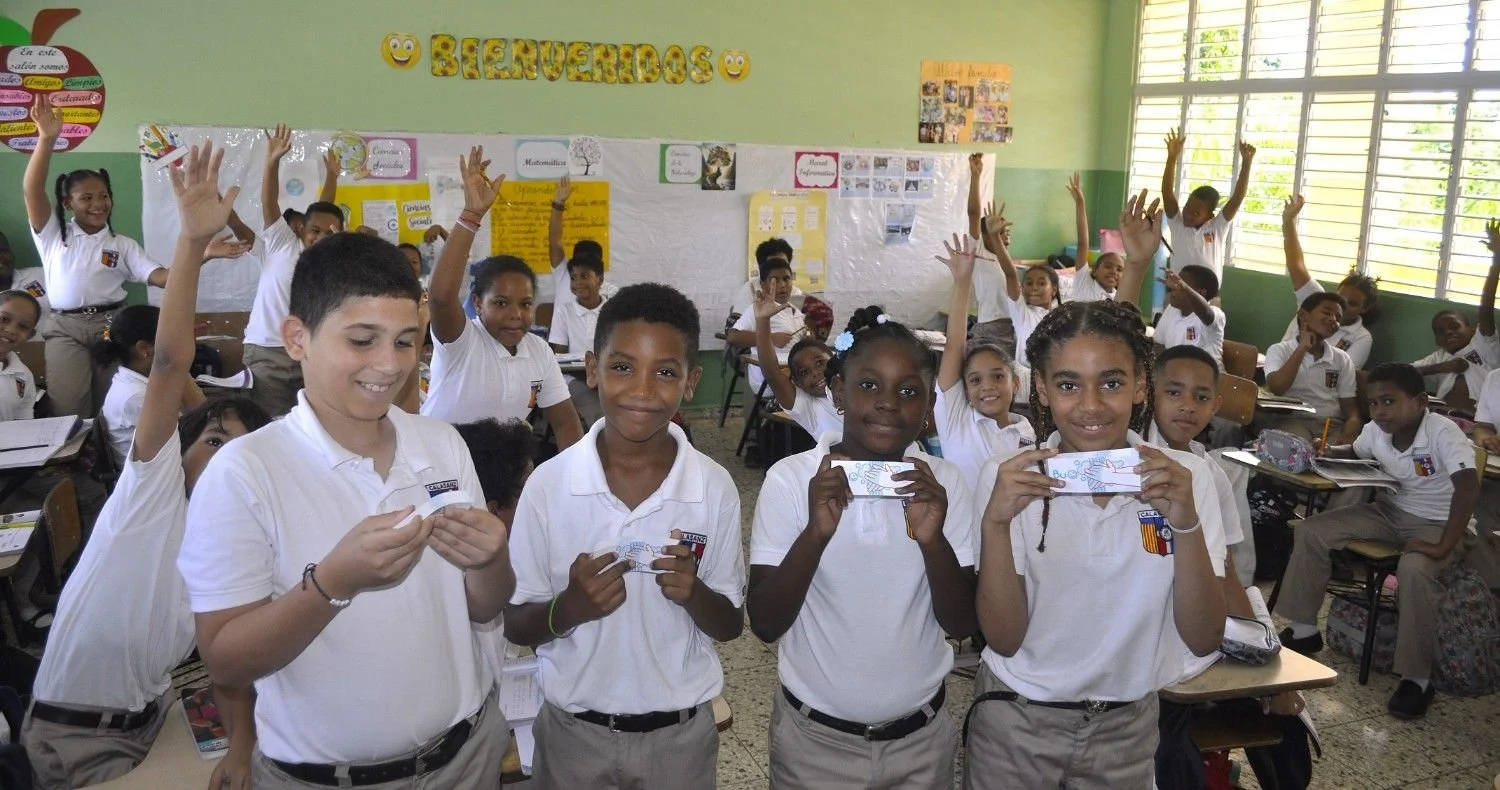
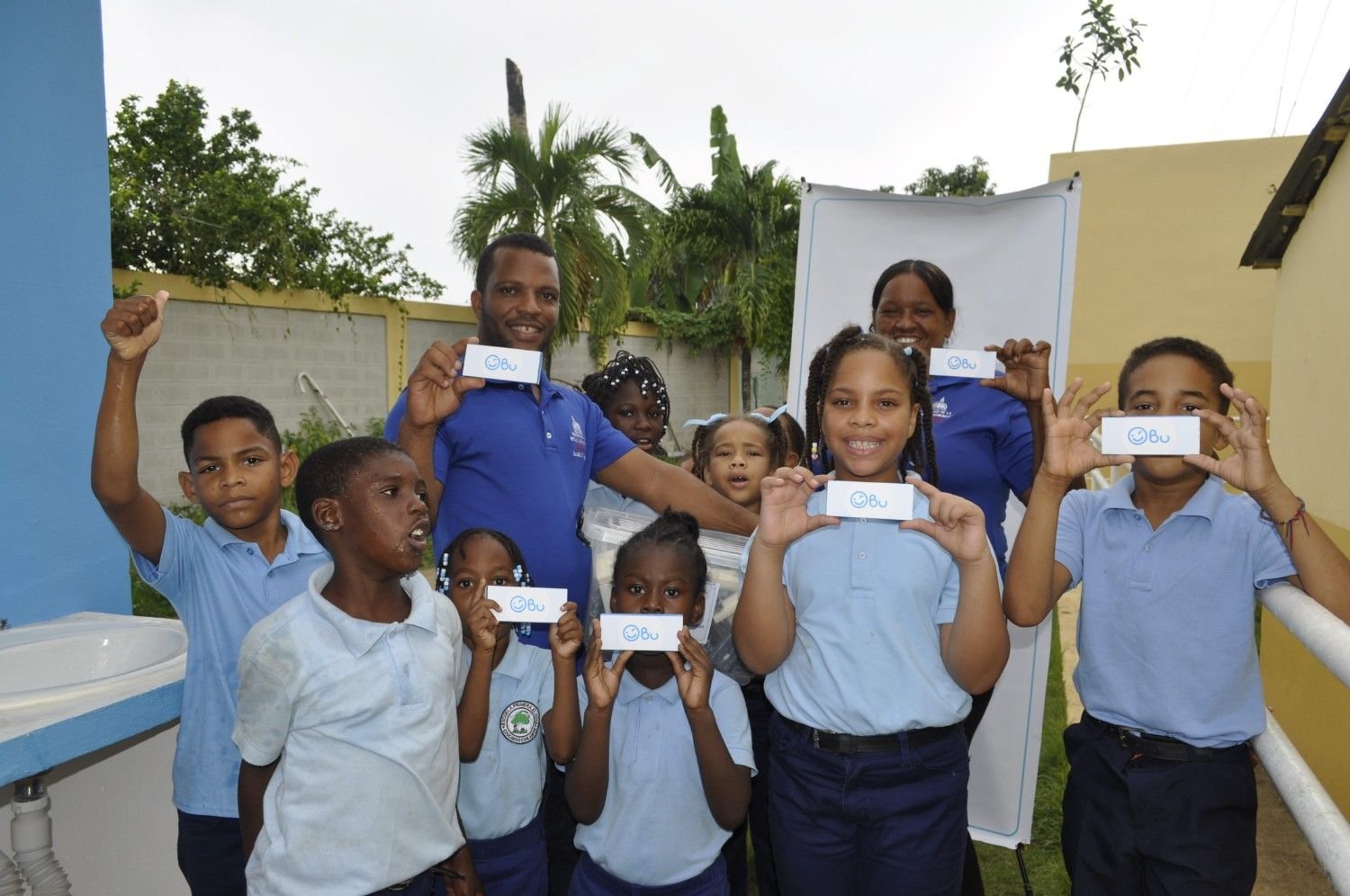
Teaching children about safe and hygienic handwashing in the Dominican Republic
SDG 6: Clean Water and Sanitation
Children educated on hygiene habits:
All our projects are open-source. Go ahead and use them to do good.
Help us make a difference

The Challenge
The United Nations estimates proper handwashing hygiene can reduce child mortality by more than 50%.
Children need to be educated on the importance and practice of basic hygiene early to establish good habits to stay healthy and strong. The WASH Foundation focuses on the importance of early education and partners with local governments and NGOs to strengthen communities’ policies, systems and infrastructure for future generations. The ultimate goal is to generate locally sustainable impact without dependence on ongoing aid.
The Innovation
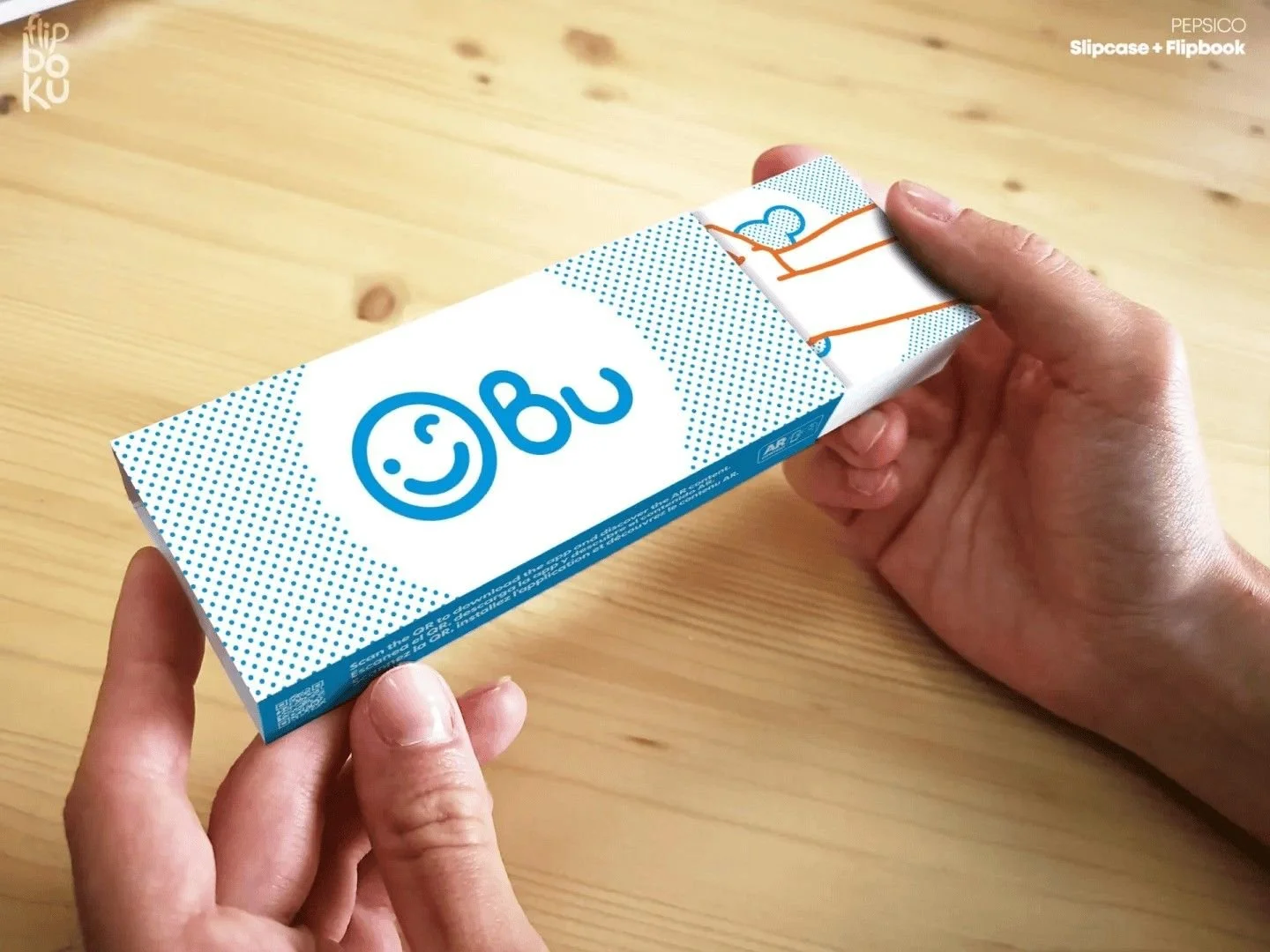
The Design for Good team developed ‘Bu’ – a biodegradable, universally understandable flipbook that communicates handwashing in a fun, engaging way.
In the hands of key influencers
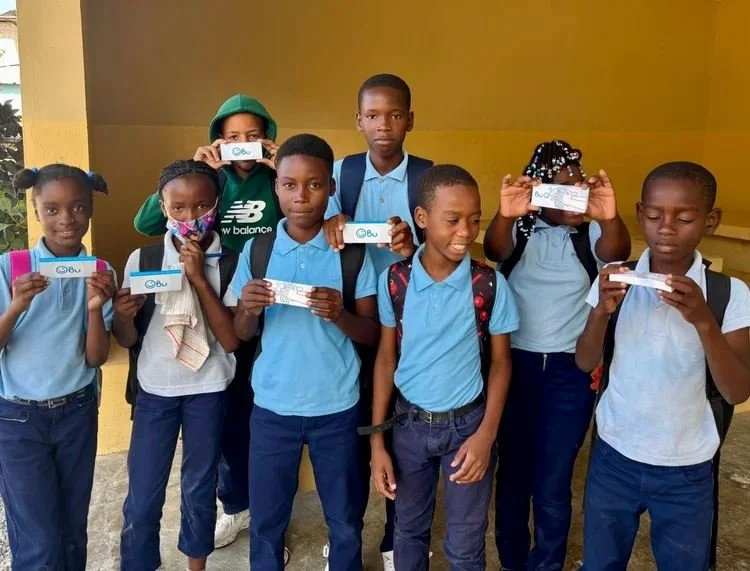
Project Bu puts resources in the hands of critical influencers of child habits and education (teachers, parents, caregivers, etc.) in underserved regions. This allows them to teach and reinforce habits at critical stages of development in a way that is solution-oriented and fun at all ages.
The product aims to be scalable to educate beyond the classroom or home, for example by being stationed in developing housing, nurseries, public toilets/wash areas or other public areas.
Engaging animated flipbooks
The team created a physical product that has an enticing, colourful design with an intuitive frame-by-frame animated sequence without words, breaking down all language and education barriers.
Through their discussions with The WASH Foundation, the handwashing animation was optimised to be accessible to a number of cultures, by utilising a liquid soap and removing any reference to a sink or faucet being needed.
Sustainability at the forefront
The team iterated on the design to allow for sustainable ways to create the physical flipbook, researching technologies designed to consistently reduce water use, CO2 emissions and energy to the quantities strictly necessary for the production cycle. Binding is done using hot melt adhesive that minimises environmental impacts according to environmental standards in book publishing.
The Results
After the initial pilot in the Dominican Republic, the project is set to expand further in the country by the end of 2026, with future plans to roll out to more continents afterwards.
Help us make a difference
All our projects are open-source. Go ahead and use them to do good.