

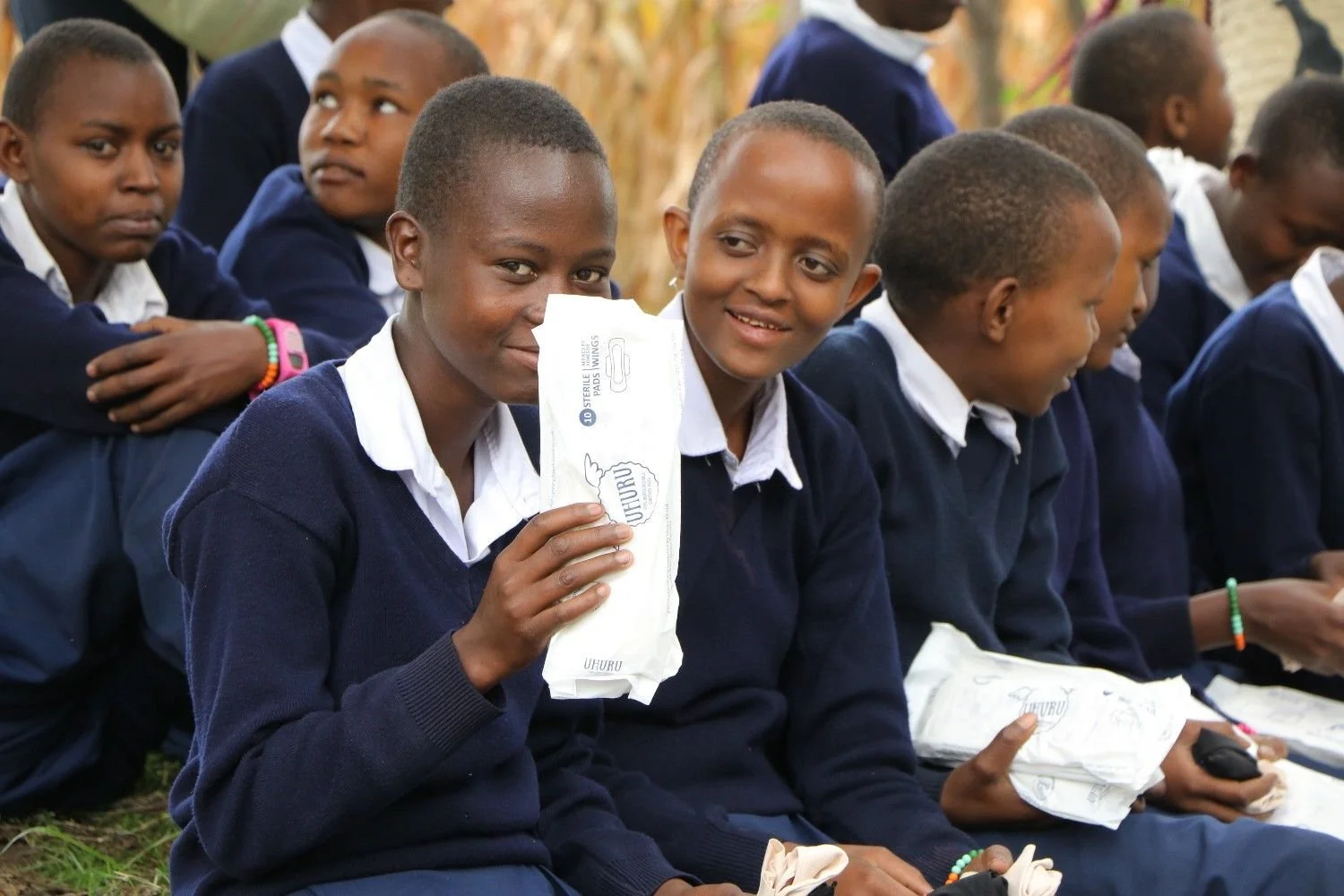
Designing Menstruation
Educational Delivery
Educating schoolgirls about menstrual health in East Africa.
SDG 6: Clean Water and Sanitation
Girls education on menstrual health and hygiene:
All our projects are open-source. Go ahead and use them to do good.
Help us make a difference

The Challenge
Menstruating girls can miss over a full year of school in their teens because of limited access to basic sanitation.
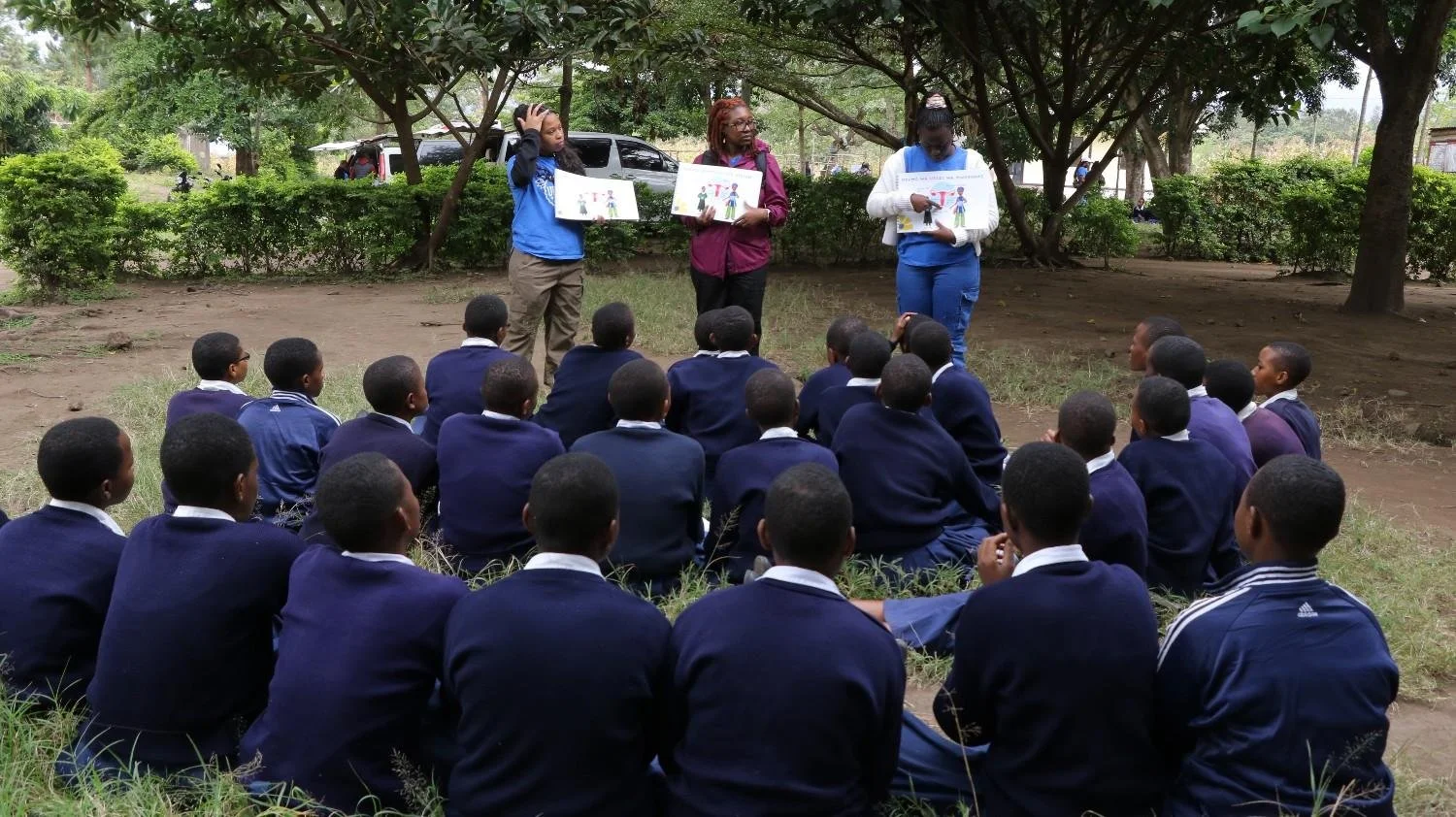
Non-profit Foot Forward Fund coordinates volunteers from the United States to help educate young girls in East Africa, equipping them with the knowledge to manage their menstrual health and bodies. But, they were in need of accurate, uplifting and culturally relevant teaching materials. Our design team was tasked with redesigning the menstruation education delivery for these girls in a school near Arusha, Tanzania.
The Innovation
The Design for Good team partnered with Foot Forward Fund to help transform menstrual education for young girls in Tanzania.
Breaking taboos through facts
The overarching framework seeks to not only simplify the menstrual health educational content but also make it more engaging and easier to remember and share. Themes cover areas such as hygiene, sexual health and anatomy.
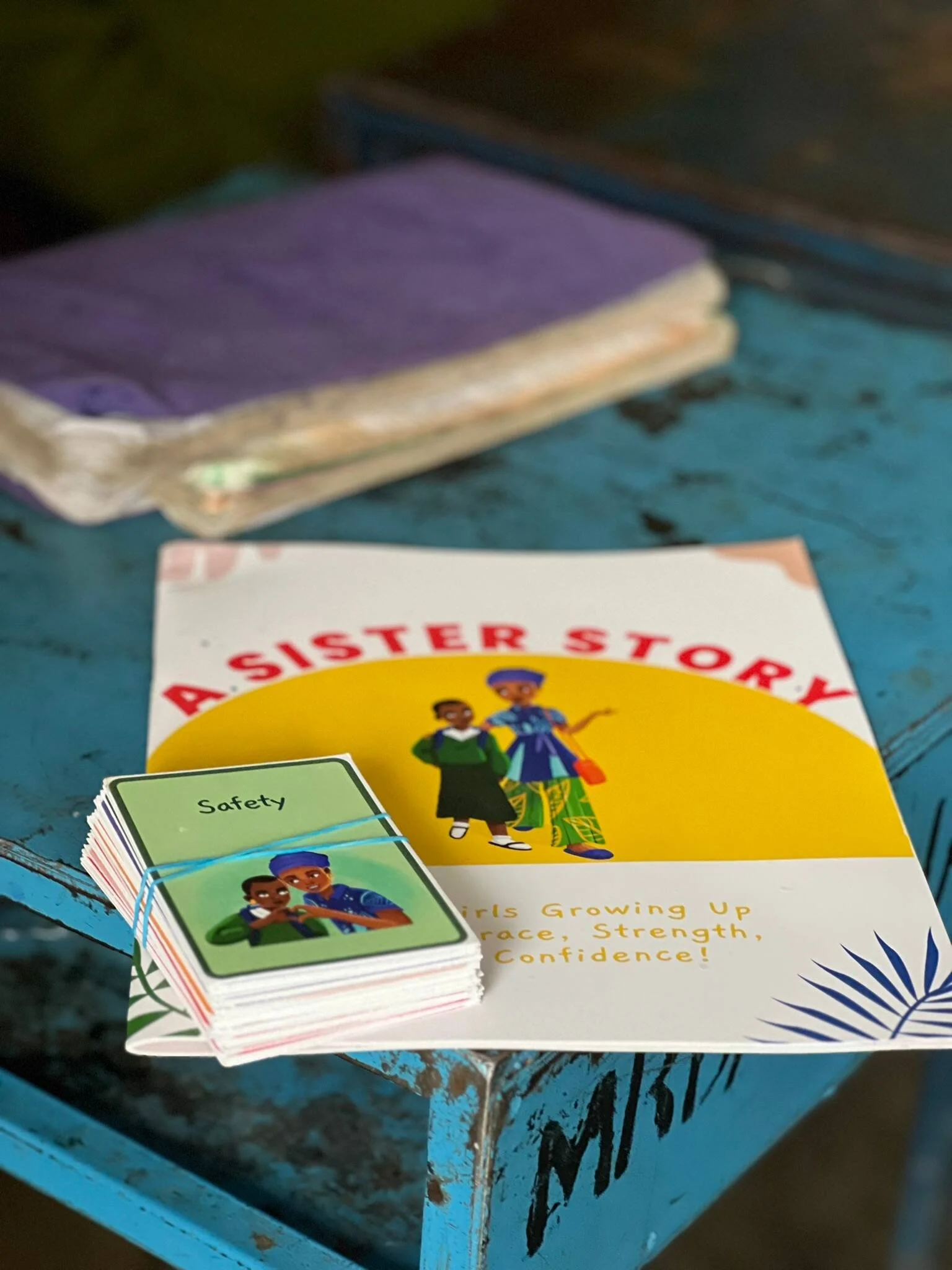
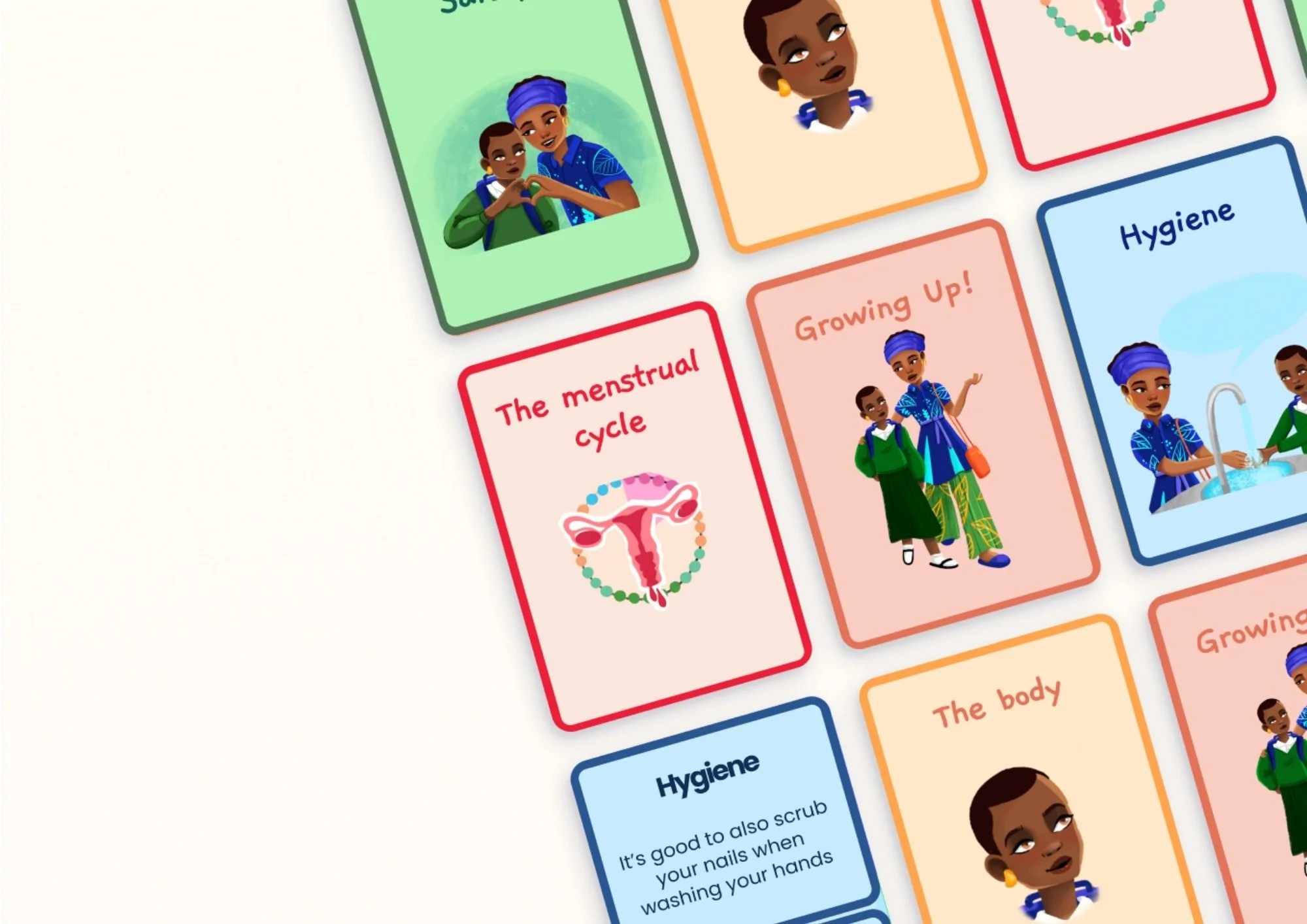
An educational booklet was created and was also formatted into ‘Care Cards’, a gamified leave-behind set of 'true or false' statements that can be used at schools after the presenters have gone. Since the educational book is segmented, the presenters can decide what topics to broach with the girls based on their age (e.g, growing up, washing your hands, what is a period, etc.).
Hero Characters
The team redesigned the existing educational materials to be engaging and informative by using a central ‘sister’ story with relatable hero characters. They created a fun, educational experience for girls that they can relate to, easily remember, and confidently share among their peers.
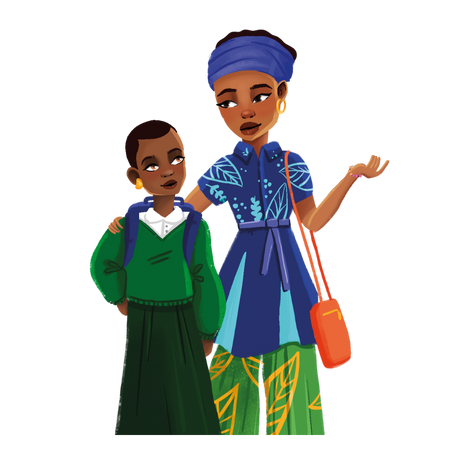
Two hero characters were designed as sisters to represent ‘hero behaviour and statements’ for girls to learn from, get inspired by and identify with. These characters appeal to two age groups: a younger sister who identifies with girls between the ages of 10-14 and an older sister who identifies with more mature girls.
The set of characters were carefully tailored for the Tanzanian community.However, the same modular approach can be used to adapt features for other geographical locations around the globe. For example, names can be changed to fit demographics and clothing and styles can be altered. But, the story of two sisters is one that transcends culture and geography.
Play-based learning
The leave-behind Care Cards were created to reinforce the learnings in a gamified format that supports the story-based approach. These consist of one set of cards across key themes, with each card providing a question and a corresponding bite-sized nugget of information (which may be true or false).
The solution also incorporates a 'play' scenario for the girls to act out. This scenario features an issue relating to menstrual health and hygiene, or taboos surrounding this. By asking the girls to find an answer to these issues, they can consolidate the learning from the lessons into real-life scenarios, and it also gives the educators the chance to see if more explanation around certain topics is required.
The Results
The redesign of educational materials were made in Canva, allowing for adjustments and edits and for the template to be shared with other schools, regions and countries.
Help us make a difference
All our projects are open-source. Go ahead and use them to do good.