

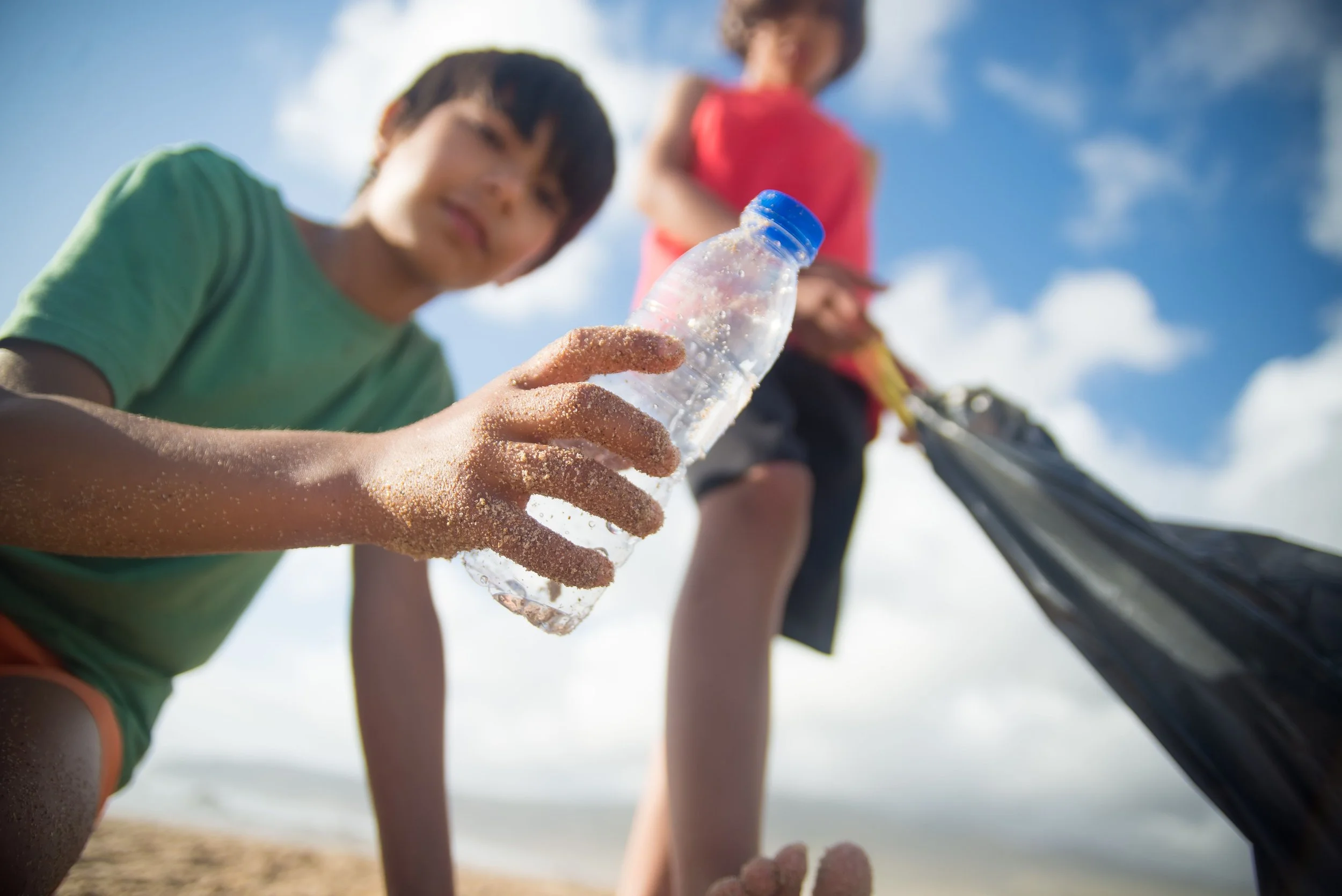
Designing a way to teach children about environmental justice and plastic pollution
A play-based learning intervention that incorporates storytelling, role-play and hands-on activities to change behaviours.
SDG 4: Quality Education
estimated number of school-children in India, educated on plastics and environmental justice by end of 2028:
Help us make a difference

All our projects are open-source. Go ahead and use them to do good.
The Challenge
An insufficient focus on social and environmental issues and awareness in formal education is widespread globally.
A 2021 UNESCO study found that in 46 member states, 45% of national education documents made little-to-no reference to environmental themes and over half of education policies and curricula made no mention of climate change. Students and individuals lack engaging, accessible resources to learn about environmental issues, and this apathy can exacerbate inequalities and environmental degradation. There is a broad need to stimulate awareness, collaboration and critical thinking about environmental and social justice issues among students.
The Innovation
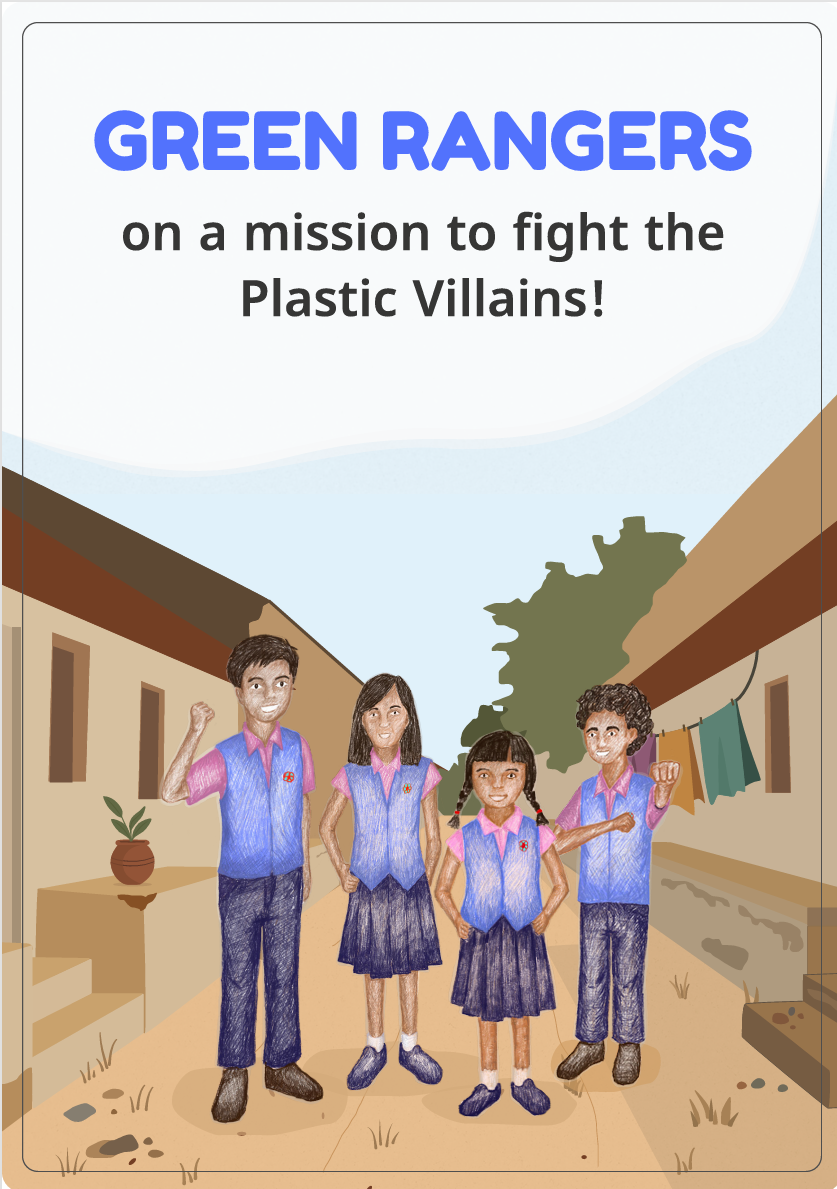
The Design for Good team created the Green Rangers programme, a play-based learning intervention that introduces children ages 10-13 to environmental justice and plastic pollution through storytelling, role-play and hands-on activities.
Using play to educate
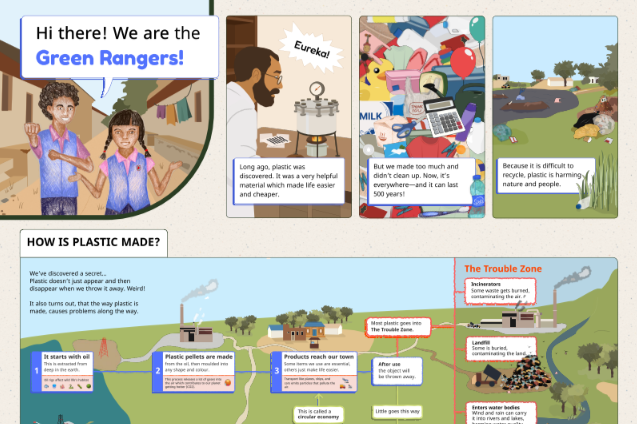
Using a classroom poster, activity cards and a facilitator’s guide of instructions, children learn facts about plastic, such as its lifecycle. They then must complete challenges through hands-on activities, crafts and discussions that explore the impact of plastic on ecosystems and how individuals are involved in the journey of plastic items. The programme is designed for use in the classroom, at camps or at home, and the game is available in English, Gujarati and Hindi.
Simplifying a complicated topic
Originally designed with the TIDE Foundation, the programme invites children to take the role of investigators learning about plastic and uncovering the harm it can cause to their surroundings. Environmental justice can often feel abstract and overwhelming, especially for children. By focusing on plastic, the team aimed to ground the topic in something relatable, drawing connections to their daily lives.
The project will be implemented in Gujarat, India by YUVA Unstoppable but is designed for use globally.
The Results
This project is still in development – check back later for future updates!
Help us make a difference
All our projects are open-source. Go ahead and use them to do good.