

Designing a Way to Teach Literacy, Numeracy and Environmental Appreciation Through Play
An eco-friendly board game helping learners build math skills and connect with conservation.
SDG 4: Quality Education
Estimated number of schoolchildren in Mexico educated on literacy, numeracy and the environment by end of 2030:
Help us make a difference

All our projects are open-source. Go ahead and use them to do good.
The Challenge
Many young learners continue to face gaps in maths and literacy following the pandemic.
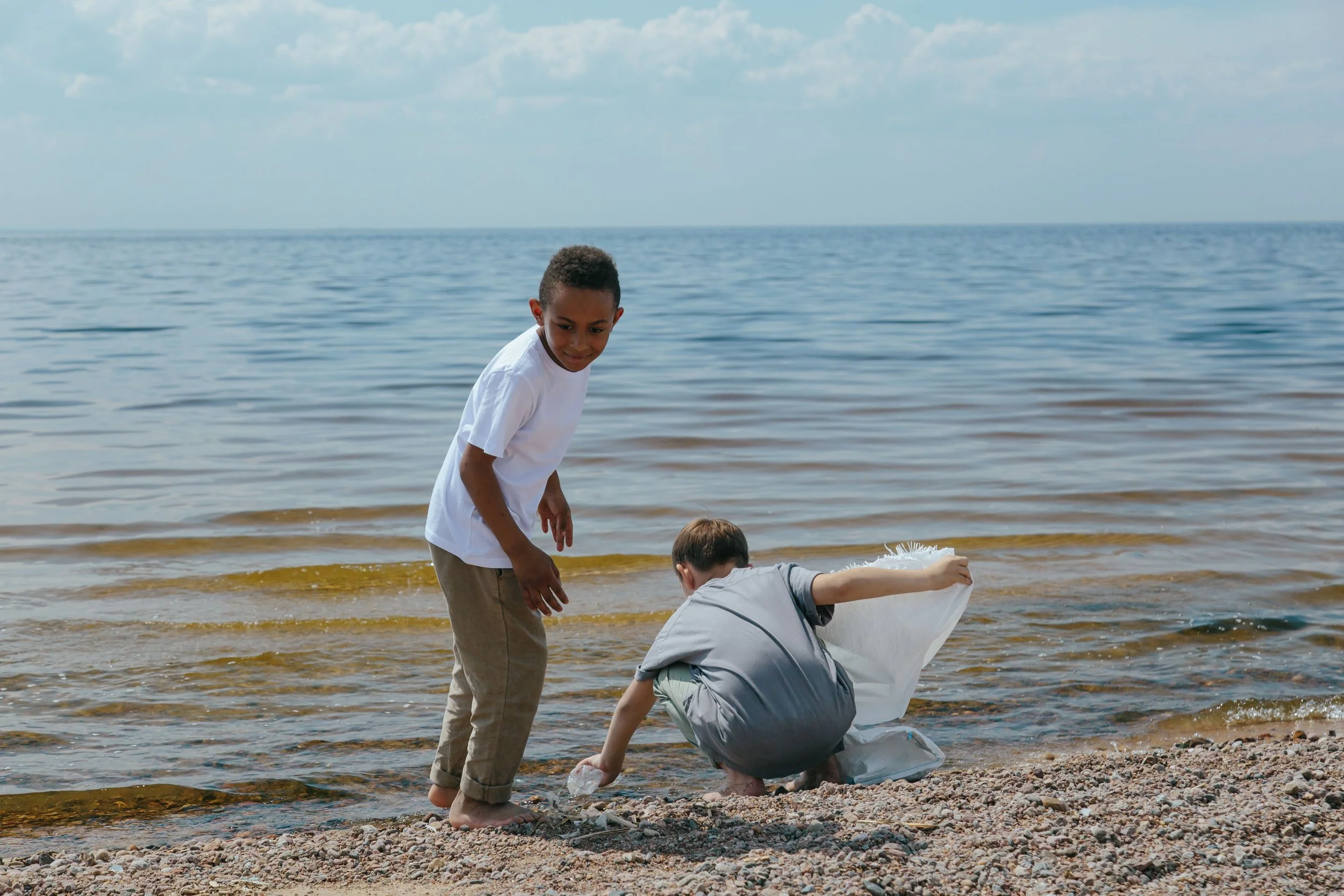
A 2022 Programme for International Student Assessment (PISA) showed that young learners in Mexico scored below the OECD average in maths. In addition, public schools tend to be underfunded, and educators struggle to engage students with educational materials. At the same time plastic ending up in the ocean is a big problem and is apparent in coastal places, such as in San Pancho, Mexico. Entreamigos, a community nonprofit in San Pancho, asked for a way to bridge the gap in young learners' numeracy and literacy skills while promoting environmental awareness in schools and community centres.
The Innovation
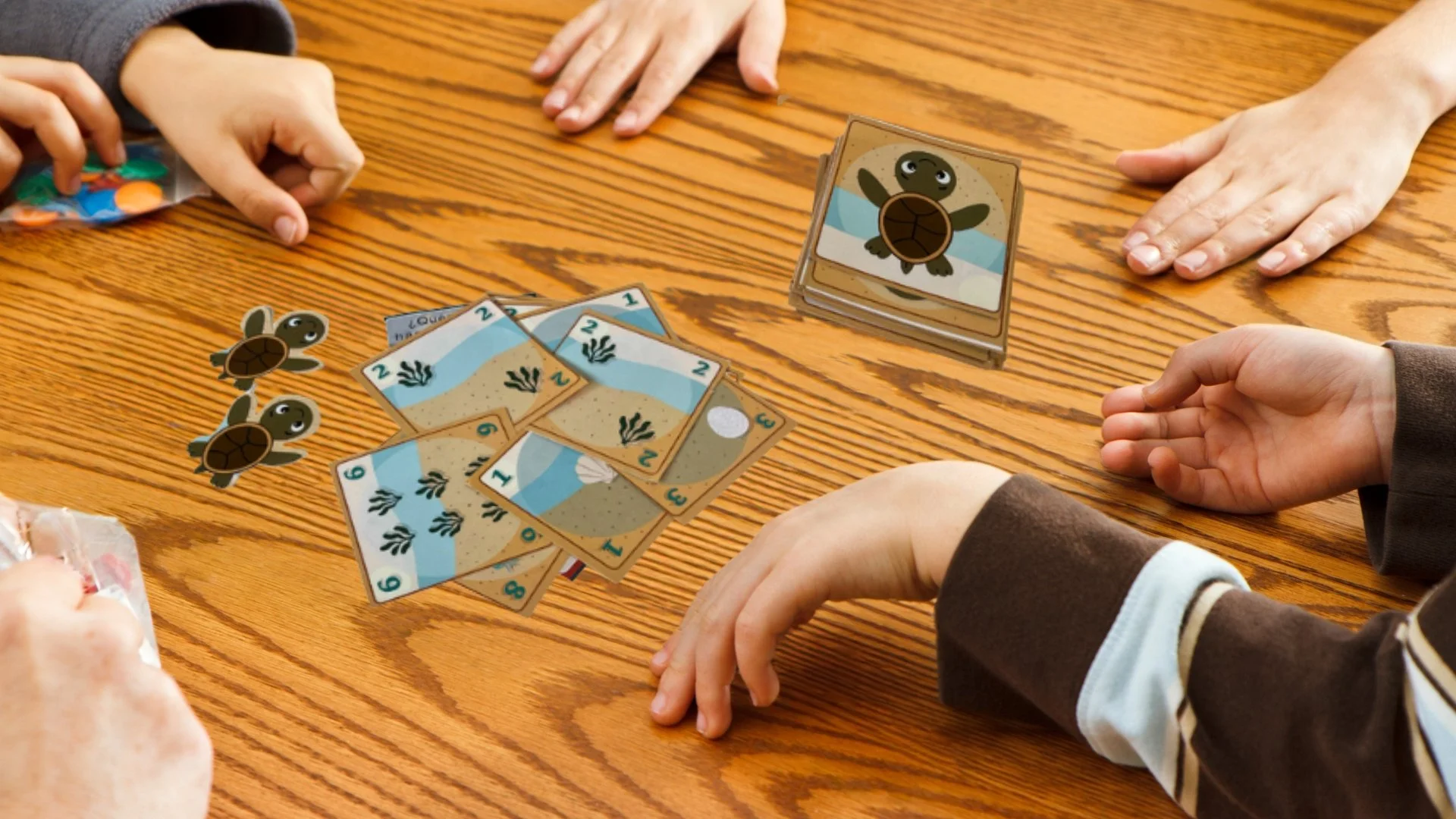
Inspired by the hatchling of ‘Tortuga Golfina’, a conservation effort in San Pancho, the Design for Good team, along with Entreamigos, designed Turtle Trek to the Sea, a board game that serves as an educational tool for young learners.
Combining maths, storytelling and conservation into one experience
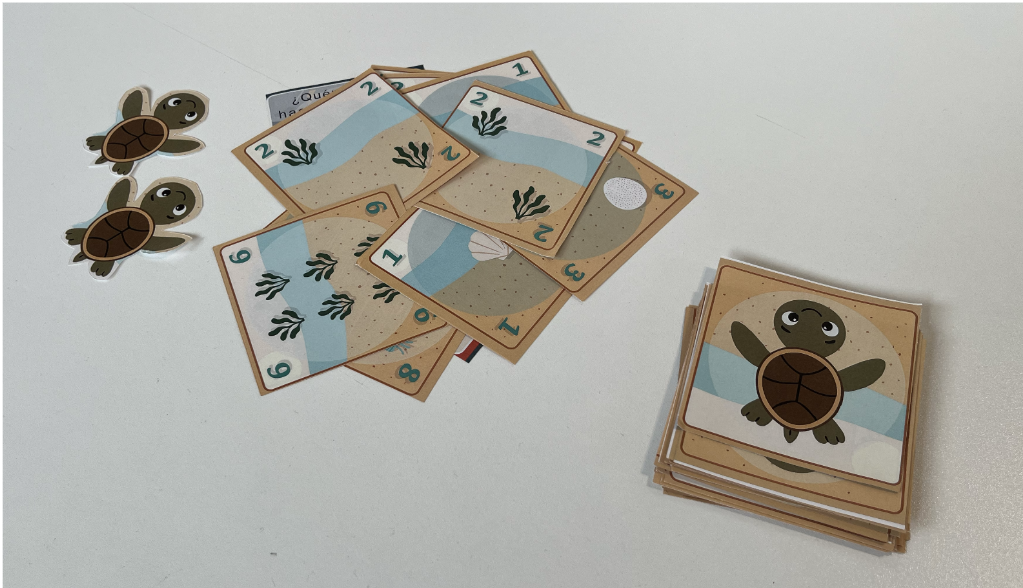
Turtle Trek to the Sea helps players solve math problems while guiding baby turtles to the sea, navigating real-life environmental challenges. With a strong emphasis on sustainability, the game uses recycled materials and includes a teaching guide for educators, ensuring easy classroom integration. In addition, because all assets are printable, it can be used by anyone anywhere.
Closing learning gaps through play
The team took on the challenge from Entreamigos of how to expand the impact of the non-profit’s playful educational approach to enhance literacy and environmental awareness in schools. The game was developed to close learning gaps by using locally relevant storytelling and activities. By combining math and environmental awareness, the project supports both academic and emotional development, while also building empathy for local wildlife and ecosystems.
The Results
This project is still in development – check back later for future updates!
Help us make a difference
All our projects are open-source. Go ahead and use them to do good.