

Designing a Digital Ecosystem for
Household Water Security
Community-led monitoring for sustainable water management in South Africa
SDG 6: Clean Water and Sanitation
Estimated figures to be determined following the full pilot of Mali Mai.
Help us make a difference

All our projects are open-source. Go ahead and use them to do good.
The Challenge
Communities across South Africa face increasing pressure on their water systems. Yet, many households have little understanding of their own water usage, the quality of the water they receive, or the systemic issues shaping local water service delivery.
Existing awareness efforts rarely engage people at household level and tend to offer broad advice that does not help individuals interpret their bills, track consumption or understand the local water status. Without accessible tools for participation, households remain disconnected from the information that shapes their daily lives and from the decisions that impact their water security. South African-based International Treatment Preparedness Coalition (ITPC) needed a way for residents to play an active role in sustainable water management.
The Innovation
The Design for Good team created a digital ecosystem rooted in Community-Led Monitoring, designed to strengthen household understanding, spark data-driven action and support community advocacy.
Understanding local water security
The Water Security Review enables community members to assess the status of their water through an accessible survey built around 4AQSE (Availability, Accessibility, Affordability, Acceptability, Quality, Sanitation and Education) metrics. It allows households to evaluate their water status across these areas, building a clearer picture of what they receive. These results can help communities identify shared challenges and advocate for improvement.
Building future water stewards
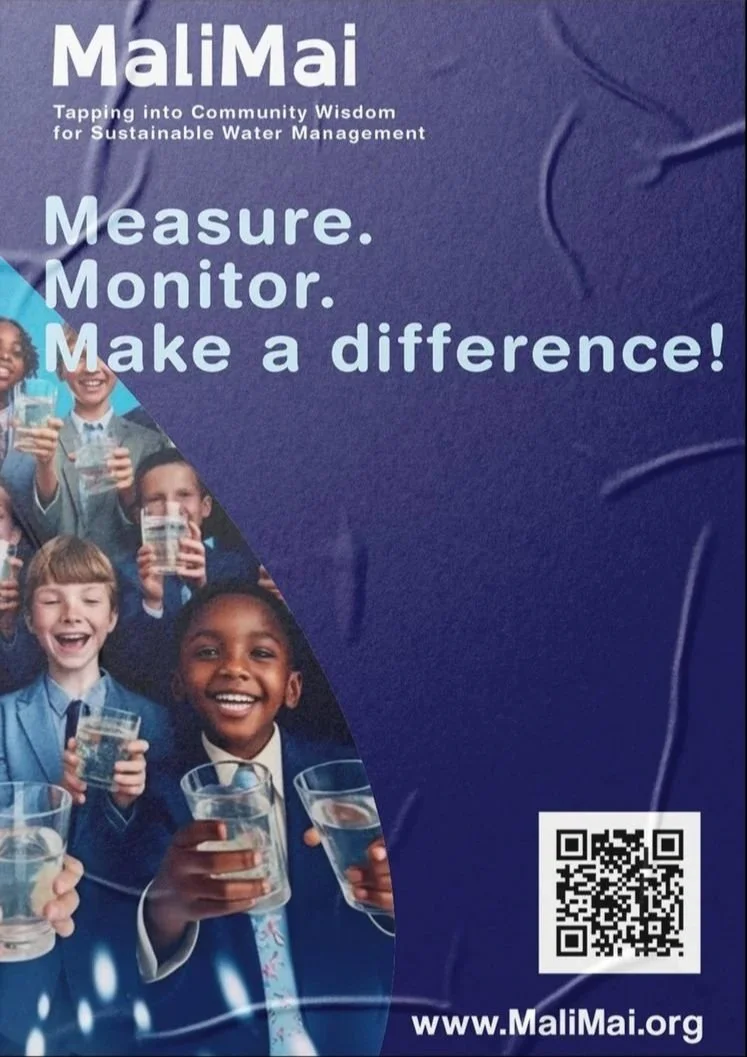
The MaliMai Project for Students is a multi-day STEAM-focused course designed for learners in grades 6 and 7. Through a guided programme, students explore how water systems work, analyse their own household usage, apply the 4AQSE framework and learn to communicate their findings.
The programme culminates in presentations during Water Week, encouraging students to take on active roles in environmental advocacy.
A three-pronged approach
MaliMai is a set of three interconnected modules that work together to build household understanding of water security: The Water Bill Translator, the Water Security Review and the Student Project. The modules create a digital ecosystem that empowers communities to take informed, meaningful action.
In Sesotho ‘mali’ means ‘water’, and “mai” means ‘wisdom’.
Household insights
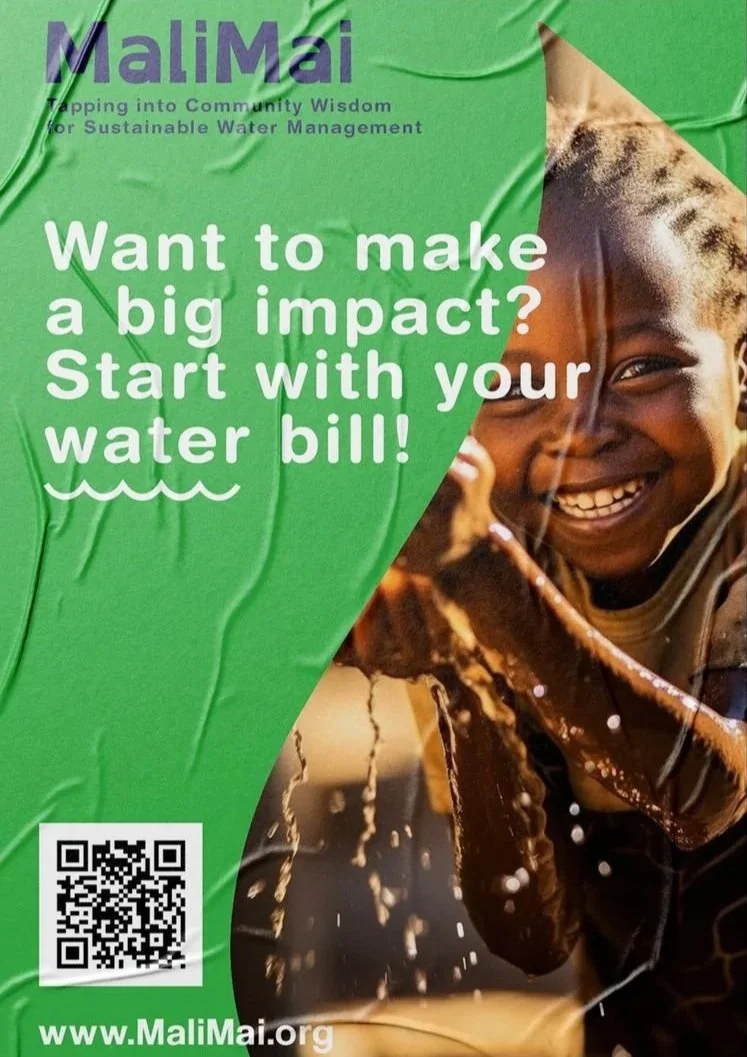
The Water Bill Translator gives users a visual way to understand their water usage patterns. By entering basic details from their water bill, households can see their month-to-month consumption, compare their usage with others in their community and spot anomalies, such as leaks or billing errors.
This turns a confusing utility bill into a straightforward source of insight.
The Results
This project is still in development – check back later for future updates!
Help us make a difference
All our projects are open-source. Go ahead and use them to do good.