

Designing a Safer Way for
Women to Use the Toilet
A DIY make-your-own-toilet kit to promote safety for women
SDG 6: Clean Water and Sanitation
Estimated women reached by 2026:
Help us make a difference

All our projects are open-source. Go ahead and use them to do good.
The Challenge
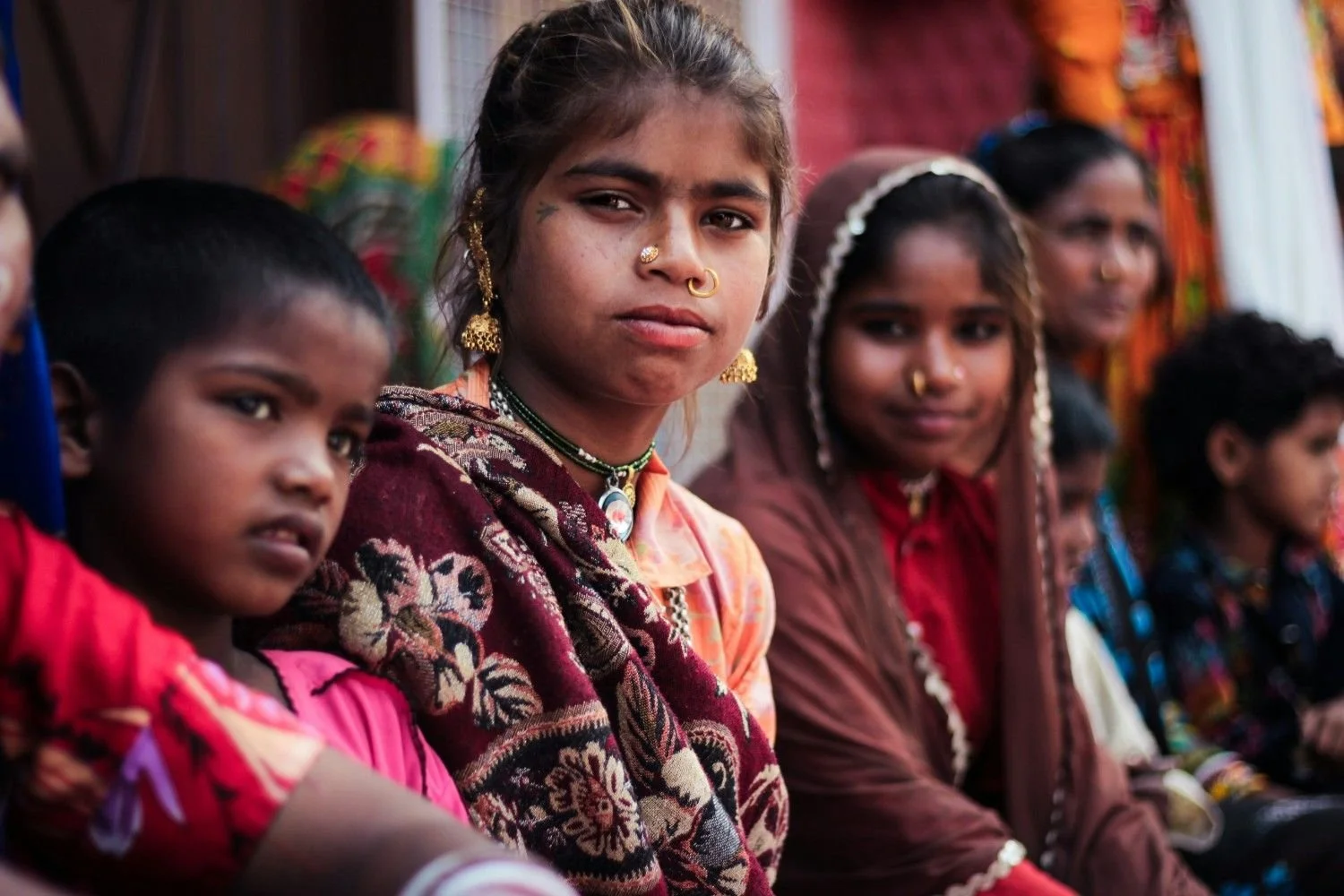
The average person urinates 6-7 times in a 24-hour period. It takes women in New Delhi informal settlements an average of 15-20 minutes to reach community toilets.
These public toilets are often unsanitary and cost a fee to use. At night, women and girls' safety is at risk when they leave home to use communal toilets. As a result, roughly 20% of women and girls frequently hold their pee and roughly 25% refrain from drinking liquids to avoid bathroom use – habits that have negative health effects. Swasti, a public health nonprofit headquartered in Bangalore, India, partnered with Design for Good to come up with a product that promoted health and safety for women.
The Innovation
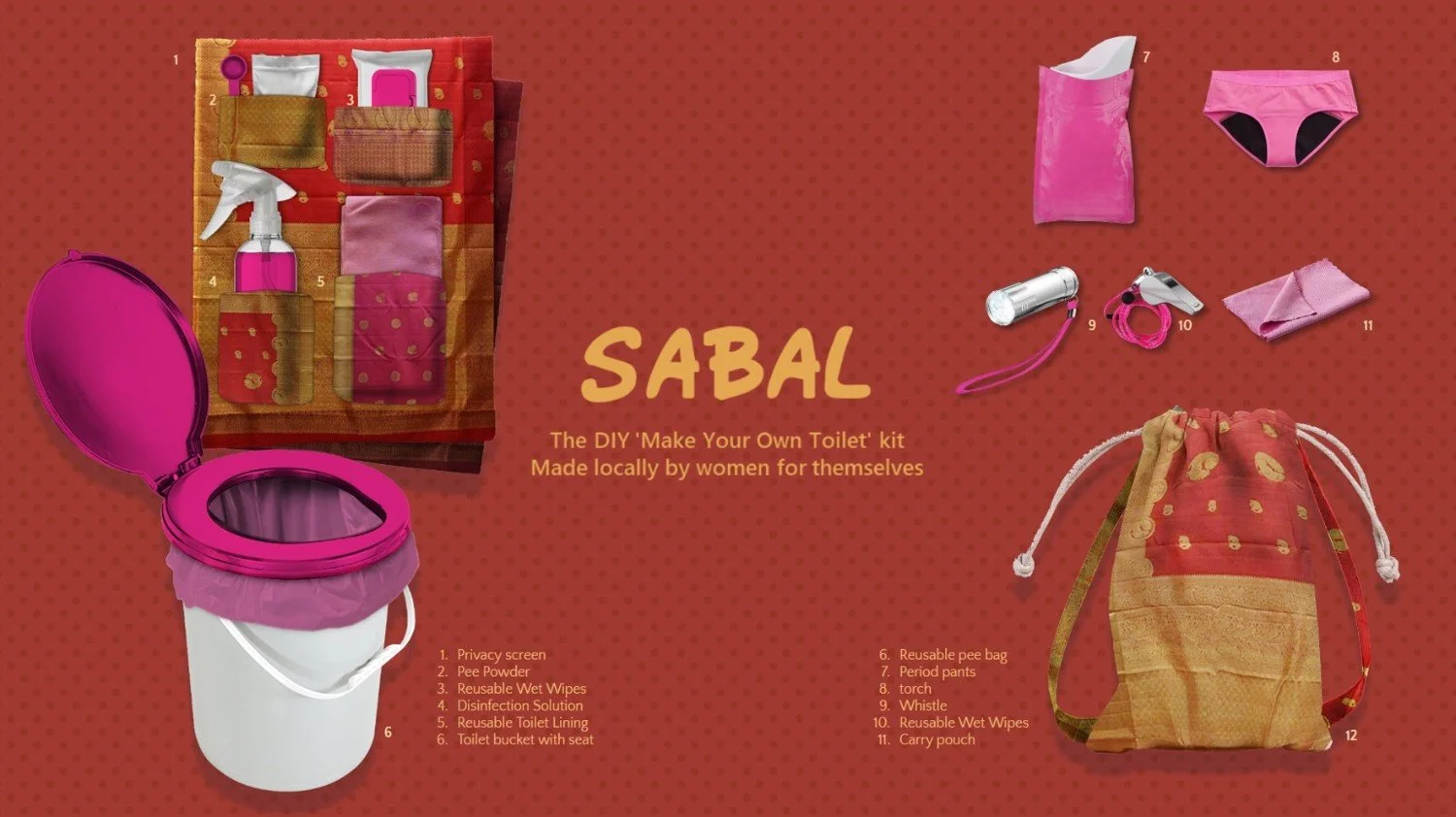
The Design for Good team designed a DIY make-your-own toilet kit that allows women to set up temporary toilets in their homes or use them in an existing shared toilet without risking health and safety.
Product and service
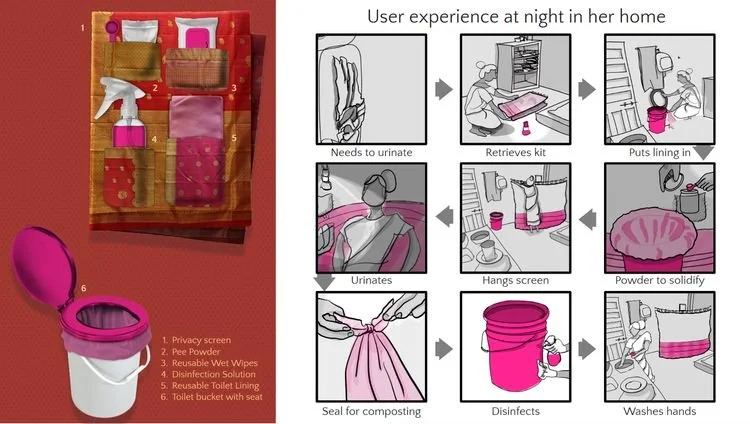
SABAL is an end-to-end (product and service) solution that encourages women to take sanitation and their health into their own hands. This DIY toilet kit allows women to set up temporary toilets in their homes or use them in an existing shared community toilet.
Awareness and education
The product also offers awareness and education for the users and within the community about the importance of toileting. The kit, providing them with the tools to do this, will significantly impact women’s health, education, work potential and quality of life.
The Results
This project is still in development – check back later for future updates!
Help us make a difference
All our projects are open-source. Go ahead and use them to do good.