

Designing to Change Water
Consumption Behaviours
A social media campaign aimed at driving water behavioural change in the UK and Ireland.
SDG 6: Clean Water and Sanitation
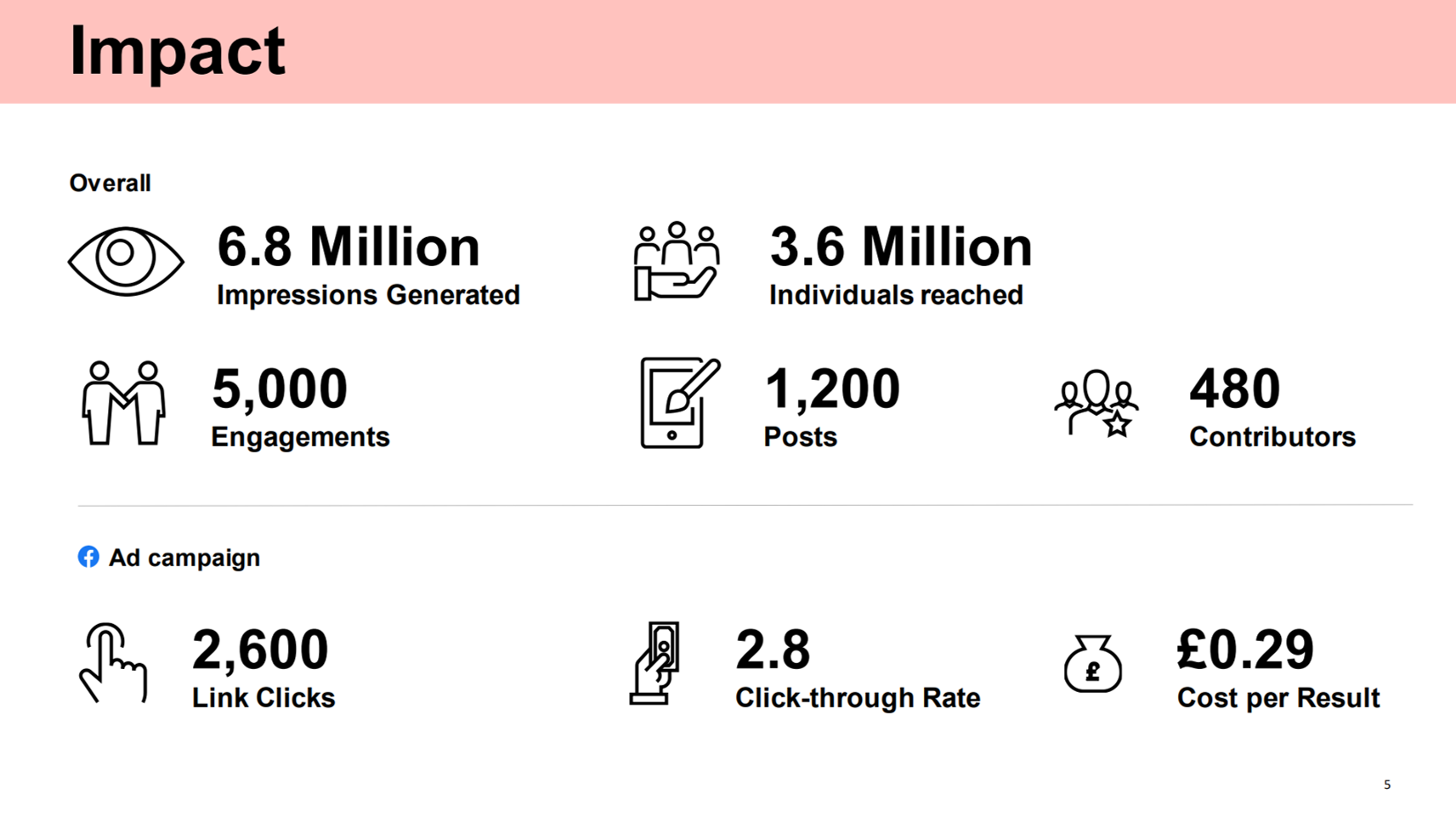
People in the UK and Ireland reached by a social media campaign on water-use behaviours:
All our projects are open-source. Go ahead and use them to do good.
Help us make a difference

The Challenge
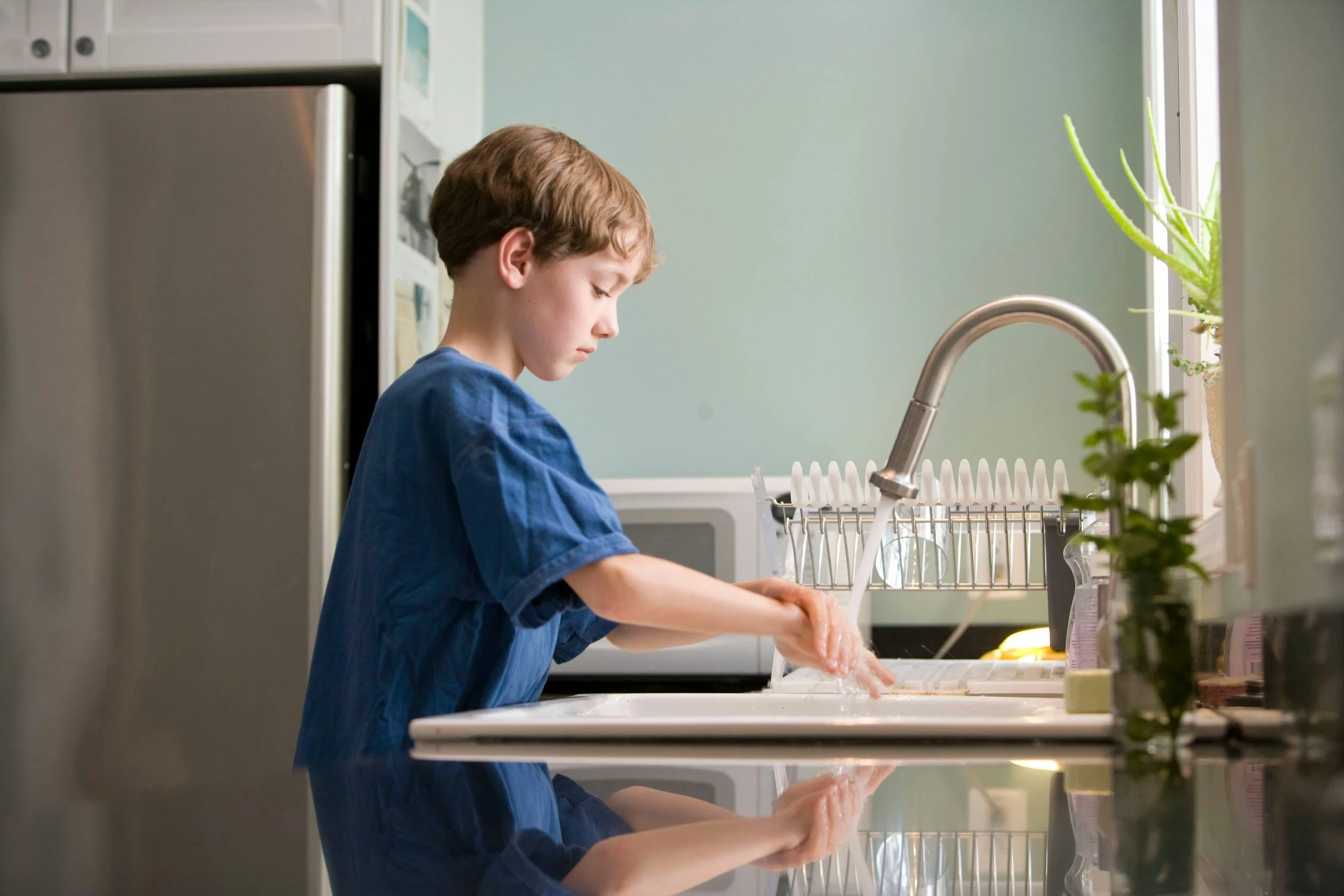
Water Saving Week is a social media campaign that aims to encourage behavioural change by increasing awareness of the impact of water usage.
While many people try to do their part in reducing wasteful water consumption, there is a struggle inunderstanding what matters the most and expected behaviours. The complexity of the water ecosystem often makes one feel like a passive bystander with little means of influence.
The Innovation
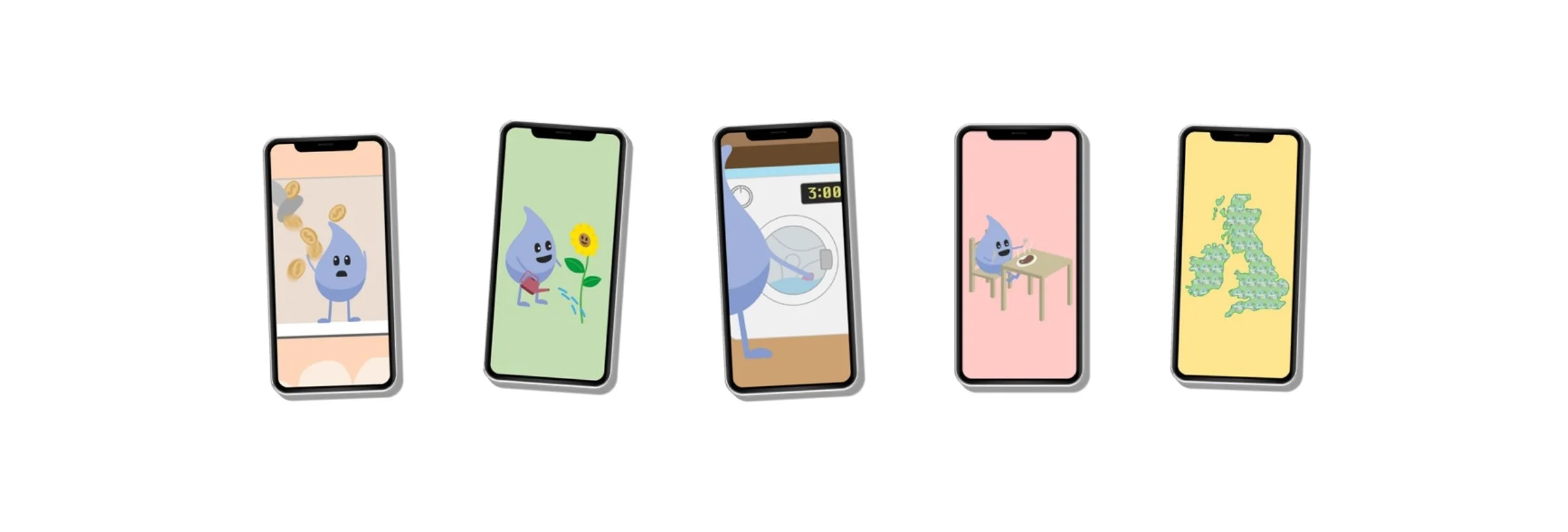
The Design for Good team partnered with the UK NGO WaterWise to design an engaging, illustrative, character-led campaign that aims to encourage water conservation through behavioural change.
The campaign ran during WaterWise’s Water Saving Week (15th-19th May 2023), including the creation of reusable digital assets for the future.
Open-source Use:
Expansion and Further Partnerships
The Design for Good team had the opportunity to partner with ECO UNESCO in 2024, which resulted in a campaign workshop delivered to schoolchildren in Ireland. In 2024 and 2025, a water saving campaign with Green-Schools Ireland reached primary and secondary schools across the country.
The open-source materials also allowed non-profit environmental NGO Vanashakti to teach schoolchildren in India about the importance of water-saving behaviours.
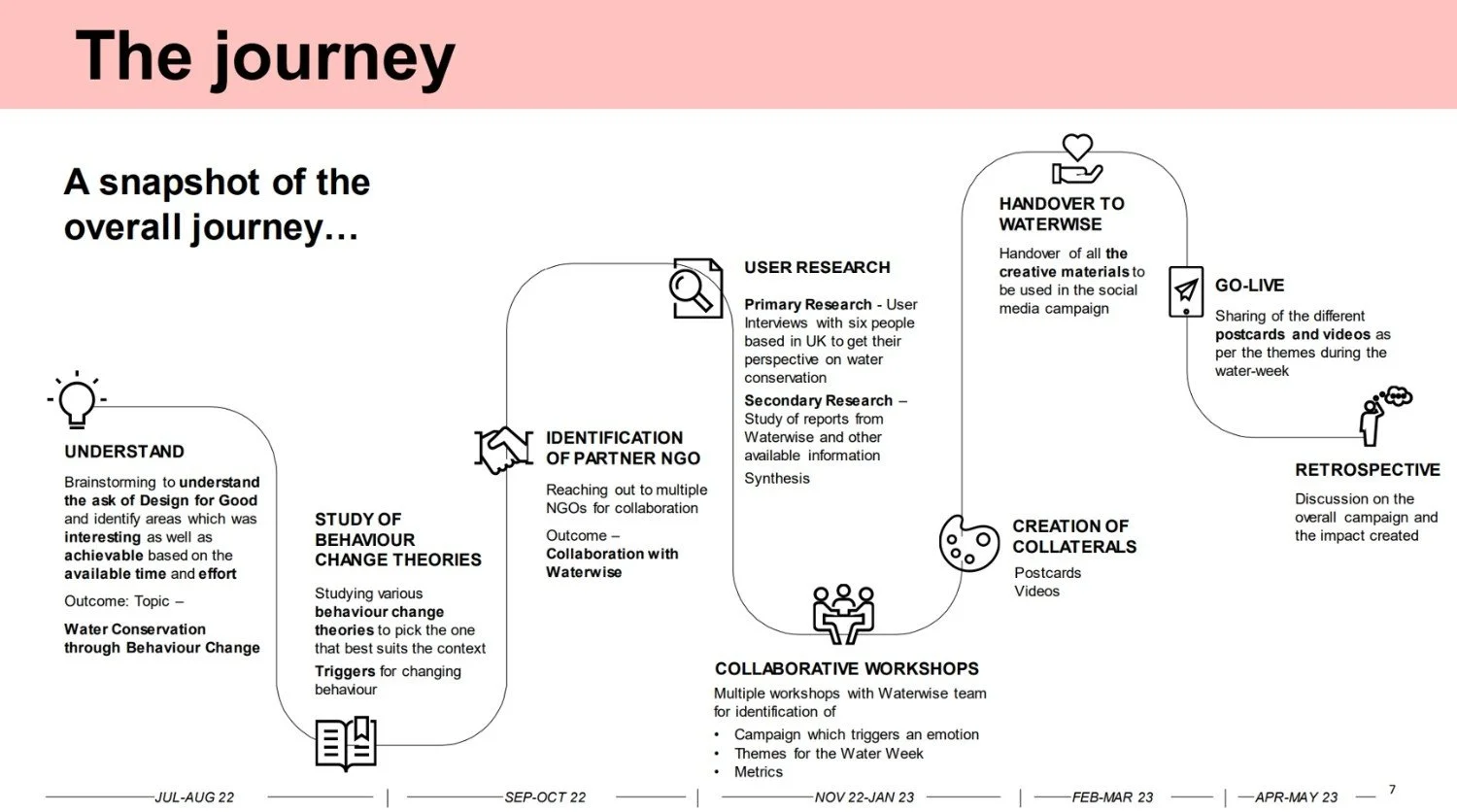
Understanding Target Audiences
The Design for Good team interviewed Gen Z and millennials residing in the UK to understand their water usage and awareness of water conservation. The insights allowed the team to better understand the customer base and to challenge WaterWise’s current ways of working to come up with fresh ideas.
Focus on Behavioural Change
Using behavioural change theories, the team understood that they can shift behaviour through nudging and making the consequences of water waste visible.
The behaviour change focus points were based on reducing waste, improving efficiency and exploring alternative water sources.
The Results
Beyond the original innovation, the reusable water conservation materials have been adapted and scaled to new project partners in different countries.
Help us make a difference
All our projects are open-source. Go ahead and use them to do good.